All Points Locksmith Service Team
Local locksmith team
Apr 2, 2026 10 min read
If you live near the water in St. Johns County — whether you're off A1A in Ponte Vedra Beach, tucked into a neighborhood near Vilano Beach, or just a few blocks from the Intracoastal — you've probably noticed what salt air does to metal over time. Patio furniture rusts. Hinges seize up. And quietly, invisibly, the locks on your front door and vehicle start to degrade from the inside out. Most homeowners don't realize their door hardware is failing until a key snaps in the cylinder or a deadbolt refuses to throw.
Coastal corrosion is one of the most overlooked home maintenance problems in Northeast Florida, and the locks on your doors — including the door knob lock you turn every single day — are among the first things to suffer. This guide explains exactly what salt air does to lock mechanisms, which hardware finishes actually survive the Florida coast, and what to do when corrosion has already done its damage.
## How Salt Air Destroys Locks From the Inside Out
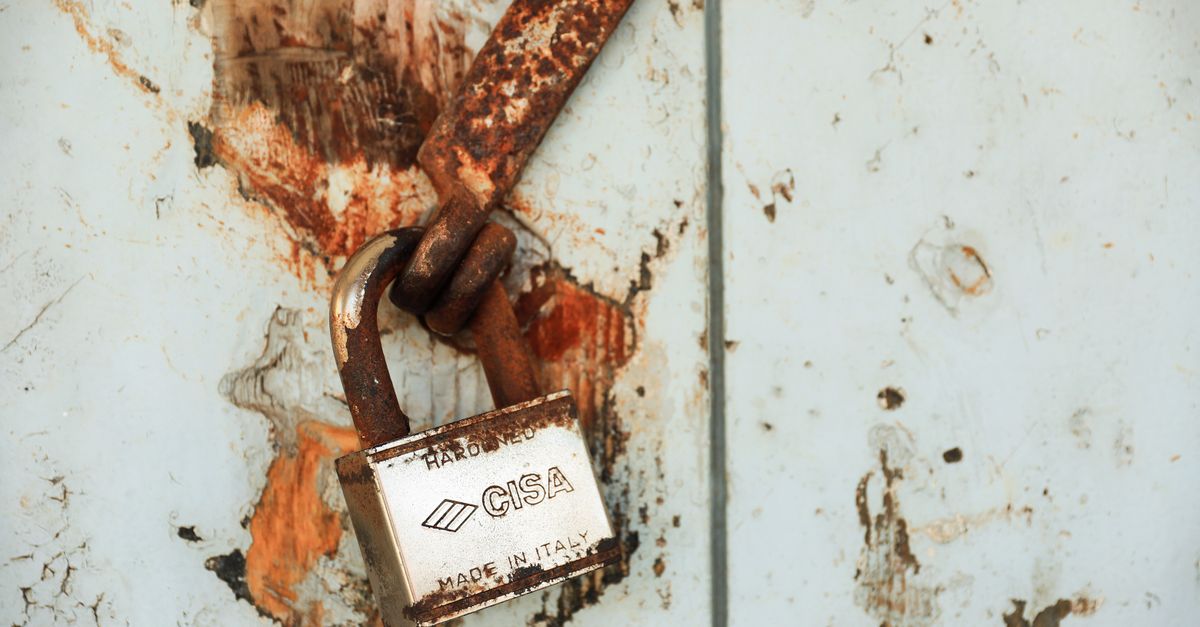
Salt air doesn't just sit on the surface of your hardware — it penetrates it. Airborne sodium chloride particles are microscopic enough to work their way into keyways, pin stacks, and the internal chambers of a deadbolt or mortise lock cylinder. Once inside, they mix with humidity (and Florida has plenty of that) to create a corrosive brine that attacks zinc, brass, and steel components. The result is pitting on metal surfaces, swollen or frozen pin tumblers, and a lock body that no longer operates smoothly. What starts as a 'stiff key turn' usually ends in a full lockout — or a broken key inside the cylinder.
The problem is worse than most people expect because modern residential locks are not designed with coastal environments as the baseline. Standard builder-grade hardware — the kind installed in most new construction communities like those along the SR-210 corridor or near World Golf Village — is spec'd for average inland conditions. In St. Johns County, that hardware is fighting conditions it was never built for. Internal springs lose tension, ball bearings seize, and cam mechanisms bind. Over time, even a quality door knob lock can become a liability rather than a security asset.
## Mortise Lock vs. Standard Deadbolt: Which Holds Up Better on the Coast?
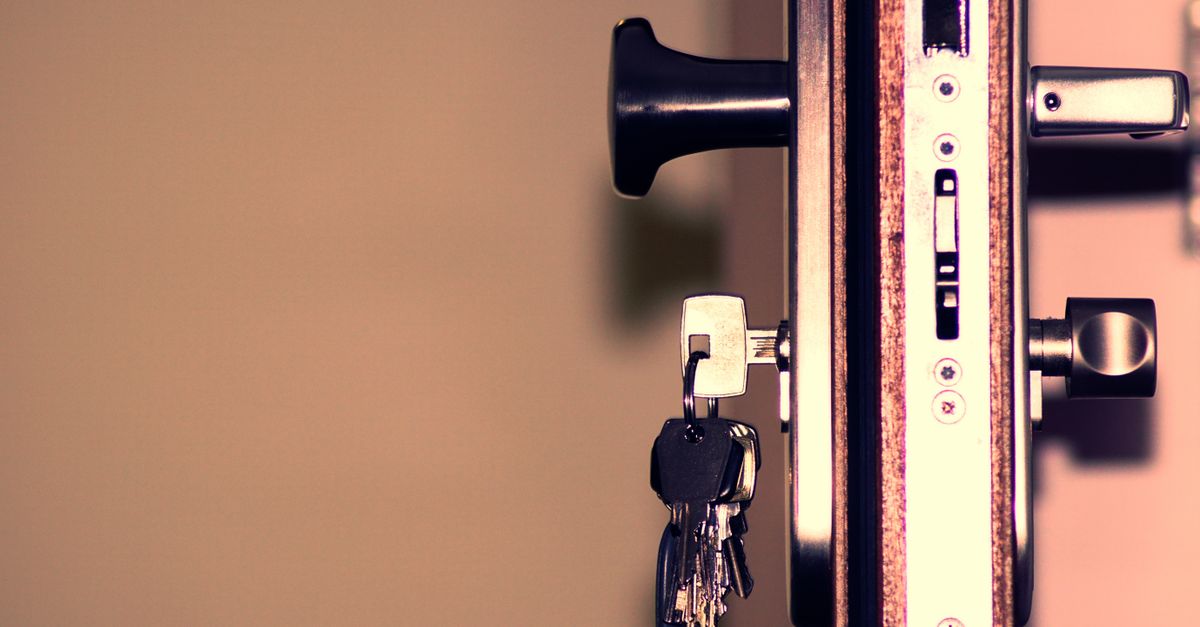
This is where hardware choice matters enormously. A mortise lock — the type that fits into a pocket (mortise) cut into the edge of the door rather than bolting through it — offers meaningful advantages in corrosive coastal environments. Because the entire lock body is encased within the door itself, less of the internal mechanism is directly exposed to salt-laden air. The face plate and cylinder are exposed, but the cam, bolt, and internal workings sit protected inside the door cavity. For homeowners who want serious longevity near the water, a mortise lock is the professional recommendation — not just for security reasons, but for durability ones.
Standard deadbolts, by contrast, have more exposed components and rely on a simpler pin tumbler cylinder that sits flush with the door's face. They corrode faster in coastal settings and are harder to service when internal components seize. That said, a well-chosen deadbolt with the right finish and regular maintenance can perform adequately. The honest answer is that a commercial-grade mortise lock, properly installed with a marine-rated cylinder, will outlast a residential deadbolt in St. Johns County's salt-air environment by a significant margin. Our team at All Points Locksmith installs, services, and re-pins mortise lock hardware throughout the county — call us at (904) 478-1963 if you're not sure what's currently on your doors.
## The Finishes That Actually Survive Florida Coastal Conditions
Not all 'brushed nickel' or 'oil-rubbed bronze' finishes are created equal. The finish on your lock hardware is its first line of defense against salt air, and choosing the wrong one is an expensive mistake. Here's what actually holds up: Satin stainless steel (Grade 316 marine-grade where available) is the gold standard for coastal environments — it resists chloride corrosion better than almost any other option. Powder-coated finishes, when applied over properly prepared substrate, are excellent because they seal the base metal entirely from air and moisture. PVD (Physical Vapor Deposition) coatings — increasingly common on quality residential hardware from brands like Schlage — are harder than traditional plating and far more resistant to salt and UV degradation.
Finishes to be cautious about near the coast include standard brass plating (the plating wears through and the base metal corrodes rapidly), polished chrome over zinc alloy (zinc pits quickly once the chrome layer is breached), and any lacquered finish that chips. Jimmy proof door locks — the surface-mounted rim lock style often found on older New England-style homes and apartments — can actually work well near the coast if the body is cast iron or solid steel with a quality finish, since their exposed-but-sealed design gives salt air fewer internal entry points than a cylinder-heavy deadbolt. The key is pairing the right mechanism type with the right surface treatment for your specific door material and exposure level. If your home faces directly into a sea breeze, that's a different hardware spec than a property one mile inland.
## What to Do When Corrosion Has Already Locked You Out — or Locked You In
If you're already in a situation where a corroded lock is the problem — key won't turn, deadbolt won't retract, or you're simply locked out — the first practical steps are non-invasive ones: check for a spare key with a trusted neighbor or family member, try a secondary entrance (garage side door, back door), and verify the issue is the lock and not the key itself (a worn key on a corroded cylinder will fail faster than either would alone). Do not attempt to force or improvise your way into a seized lock — you risk snapping the key in the cylinder, damaging the door frame, or turning a simple service call into a full lock replacement. Instead, call a professional emergency locksmith who can assess whether the cylinder can be freed, re-pinned, or needs full replacement.
At All Points Locksmith, we respond throughout St. Johns County 24 hours a day, seven days a week — including nights, weekends, and holidays. Whether it's a corroded residential deadbolt on a Ponte Vedra Beach home or a seized commercial glass door lock at a business near US-1 in St. Augustine, our mobile team carries the tools and parts to handle it on the spot. The cost of any service call depends on factors like the type of lock involved, the parts required, travel distance, and time of day — we always confirm an exact price before any work begins. Call (904) 478-1963 any time.
## Protecting Your Locks Before Salt Air Wins: A Practical Maintenance Plan
Prevention costs far less than emergency replacement, and a few straightforward habits will dramatically extend the life of your coastal door hardware. First, lubricate your locks every six months — use a dry PTFE (Teflon-based) lubricant rather than WD-40 or oil-based products, which attract dirt and salt particles and accelerate internal corrosion. Apply it directly into the keyway and on the bolt mechanism. Second, inspect your strike plate and hinges at the same time — corrosion on surrounding hardware accelerates lock failure by causing door misalignment, which forces the lock mechanism to work harder on every operation. Third, rinse exterior hardware (carefully, not flooding the keyway) after heavy storms or extended exposure to salt spray, then dry and re-lubricate. Fourth, consider a cylinder cover or escutcheon plate that minimizes the keyway's direct exposure to wind-driven salt air.
For homeowners who want a more comprehensive review — especially if they're buying or selling a property near the coast, or if they've noticed increasing stiffness in their locks — a full hardware assessment is a smart investment. Our experienced locksmiths can evaluate every lock on your property, identify those showing early-stage corrosion, recommend appropriate replacement hardware for your specific coastal exposure level, and handle installation the same visit. We service residential homes, rental properties, and businesses throughout St. Johns County, including work on mortise lock systems, jimmy proof door locks, commercial glass door locks, and standard residential deadbolts and door knob lock sets. If your business needs a commercial door locksmith for a multi-point locking system or access control upgrade, we handle that too — reach us at (904) 478-1963, and we'll get a qualified technician to you.
## St. Johns County Locksmith Services: What We Handle Every Day
All Points Locksmith is a mobile, 24/7 operation based in St. Johns County. Below is a representative list of the services our team provides to homeowners, drivers, and business owners throughout the area — from Nocatee to St. Augustine Beach: 1. Residential lockout response 2. Commercial lockout response 3. Automotive lockout response 4. Mortise lock installation and repair 5. Mortise lock cylinder re-keying 6. Residential deadbolt installation 7. Door knob lock replacement 8. Jimmy proof door lock installation 9. Commercial glass door lock service 10. Commercial door locksmith services (multi-point locks, panic hardware) 11. Master key system design and implementation 12. Re-key after move-in or tenant change 13. High-security lock upgrades 14. Broken key extraction (door and ignition) 15. Car key replacement (all makes and models) 16. Transponder key programming 17. Key fob replacement and programming 18. Ignition repair and replacement 19. Smart lock installation and troubleshooting 20. Safe opening and combination changes 21. Lock rekeying for rental properties 22. Sliding glass door lock service and repair 23. Garage door lock installation 24. Strike plate reinforcement and door frame repair 25. Padlock and hasp installation for outbuildings 26. Access control system installation for commercial properties 27. Coastal hardware assessment and corrosion consultation 28. Emergency 24/7 response for all lock and key situations
Frequently asked questions
Is there a locksmith in St. Johns, Florida available around the clock?+
Yes — All Points Locksmith is a fully mobile, 24/7 locksmith serving all of St. Johns County, FL. Whether you're in St. Johns, St. Augustine, Ponte Vedra Beach, Nocatee, or anywhere in between, we dispatch a technician day or night. Call (904) 478-1963 any time.
What is a locksmith call-out fee, and what determines the cost of a service visit?+
A locksmith call-out fee (sometimes called a dispatch or trip fee) covers the cost of sending a technician to your location. The final price for any service depends on several factors: the type of lock or vehicle involved, the specific work required (re-key vs. full replacement vs. extraction), the parts needed, travel distance, and time of day. At All Points Locksmith, we confirm an exact price with you before any work begins — no surprises after the job is done.
How much does a locksmith cost in Florida — and why does it vary?+
Locksmith pricing in Florida varies based on the complexity of the job, the hardware involved, travel distance, and whether the call comes in during standard hours or overnight. A simple residential re-key during daytime hours is a very different scope than an emergency mortise lock replacement at 2 a.m. on a holiday weekend. Rather than quote a generic range that may not reflect your actual situation, we assess the specifics of your job and give you a firm, upfront price before we start. Call (904) 478-1963 for an honest assessment.
What kind of locks hold up best near the Florida coast?+
For coastal St. Johns County homes, marine-grade stainless steel hardware with PVD or powder-coat finishes performs best. In terms of lock type, a properly installed mortise lock offers more corrosion resistance than a standard deadbolt because the majority of its mechanism sits protected inside the door cavity. Regular lubrication with a dry PTFE spray (every six months) and post-storm rinsing also significantly extend hardware life. Our team can assess your current hardware and recommend specific products suited to your home's coastal exposure level.